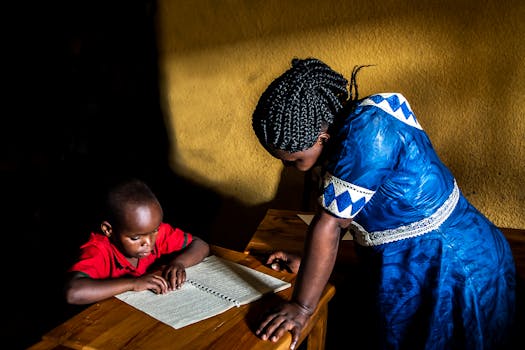
Imagine a child, eyes bright with curiosity, eager to understand the world around them. Now, picture that same child being denied the tools to learn, not due to a lack of intellect, but a lack of opportunity. This stark scenario cuts to the core of a question that shapes societies and individual destinies: is education a right or a privilege? For too long, this debate has remained academic, abstract. Yet, for millions, it’s the daily reality. Understanding this distinction isn’t just an intellectual exercise; it’s a call to action, shaping how we invest, advocate, and build a future where potential isn’t a lottery ticket.
The Foundational Divide: What’s the Difference?
At its heart, the distinction is profound. A right implies something inherent, something that belongs to all individuals by virtue of their humanity, something governments and societies are obligated to protect and provide. Think of freedom of speech or the right to vote – these aren’t granted based on merit or wealth; they are universal.
A privilege, on the other hand, is a special advantage or opportunity granted to a select group. It can be earned, inherited, or simply a fortunate circumstance. Access to exclusive clubs, premium services, or advanced training often falls into this category. When we frame education as a privilege, we inherently accept that some will receive it, and others, through no fault of their own, will not. This has significant implications for social mobility, economic development, and overall societal well-being.
Education as a Right: The Moral Imperative
Viewing education as a fundamental human right is a powerful stance with deep ethical roots. It acknowledges that knowledge and skills are not luxuries but essential components for individuals to live full, dignified lives, participate meaningfully in society, and reach their full potential. This perspective aligns with major international declarations, such as the Universal Declaration of Human Rights, which states, “Everyone has the right to education.”
This view compels us to ask:
Are we providing equitable access to quality education for all children, regardless of their socioeconomic background, geographic location, gender, or disability?
What systemic barriers prevent universal access, and how can we dismantle them?
How do we ensure that educational institutions are inclusive and supportive environments for every learner?
In my experience, when societies truly embrace education as a right, it shifts the entire paradigm. Resources are prioritized, policies are designed with inclusivity in mind, and there’s a collective understanding that failing to educate one child is a failure of the entire community.
When Education Becomes a Privilege: The Reality for Many
The stark reality is that in many parts of the world, and even within affluent nations, education operates more like a privilege than a guaranteed right. This is evident in:
Disparities in funding: Schools in affluent areas often receive significantly more resources than those in poorer neighborhoods, leading to vast differences in facilities, teacher quality, and available programs.
Cost barriers: Higher education, and sometimes even K-12 schooling in certain contexts, comes with substantial costs that are prohibitive for many families, forcing difficult choices.
Unequal access to technology and resources: The digital divide means students without reliable internet or personal devices are at a severe disadvantage, especially with the increasing reliance on online learning.
Social and cultural biases: Certain groups may face systemic discrimination or cultural barriers that hinder their educational journey.
This creates a cycle where privilege begets privilege, and disadvantage perpetuates disadvantage. The children of the well-off can access the best tutoring, schools, and universities, setting them up for success, while others struggle with underfunded schools and limited opportunities.
Practical Steps to Champion Education as a Right
So, how do we move from acknowledging the debate to actively ensuring education is a right for everyone? It requires a multi-pronged, practical approach:
- Advocate for Policy Change: Support and lobby for legislation that ensures equitable school funding, universal pre-kindergarten, affordable higher education, and robust special education services. This means holding elected officials accountable.
- Support Community Initiatives: Get involved with local organizations working to improve educational access. This could involve volunteering as a tutor, donating school supplies, or participating in fundraising efforts for underserved schools.
- Challenge Systemic Inequality: Actively work to identify and dismantle biases within educational systems. This includes advocating for diverse curricula, culturally responsive teaching, and inclusive admissions policies.
- Promote Lifelong Learning: Education isn’t just for children. Advocate for accessible adult education programs, vocational training, and opportunities for reskilling and upskilling throughout life. This recognizes that learning is a continuous journey.
- Leverage Technology Responsibly: While technology can exacerbate inequalities, it can also be a powerful tool for access. Support initiatives that provide digital resources and internet access to all students.
It’s crucial to remember that “quality” is a key component of this right. Simply having a desk and a teacher isn’t enough; it’s about providing an education that empowers learners with critical thinking skills, creativity, and the ability to adapt to a rapidly changing world.
The Long-Term Impact of Equitable Education
When we commit to education as a right, the benefits ripple outward:
Economic Growth: A more educated populace leads to a more skilled workforce, increased innovation, and higher productivity.
Reduced Inequality: Equitable access to education is one of the most powerful tools for breaking cycles of poverty and social stratification.
Stronger Democracies: Informed citizens are better equipped to participate in civic life, make sound decisions, and hold their leaders accountable.
Improved Public Health: Education is linked to better health outcomes, increased awareness of health issues, and healthier lifestyle choices.
Greater Social Cohesion: When everyone has the opportunity to succeed, societies tend to be more stable, tolerant, and cohesive.
### Closing the Gap: Our Collective Responsibility
Ultimately, the question of is education a right or a privilege isn’t just a philosophical debate; it’s a moral compass guiding our societal actions. While the ideal of education as an inherent right is widely accepted, the practical reality often falls short. It’s incumbent upon us, as individuals and as a society, to bridge this gap. We must move beyond passive acknowledgment and actively champion policies, support initiatives, and foster a culture where every person, regardless of their circumstances, has the opportunity to learn, grow, and thrive. The future of our communities, and indeed our world, depends on it.