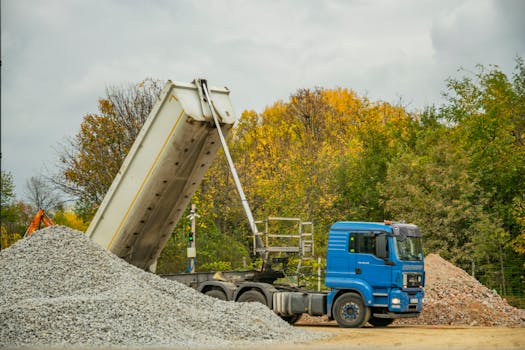
Ever see a hulking dump truck barreling down the highway, laden with tons of gravel or debris, and wonder about the sheer financial weight of keeping that beast legally on the road? It’s not just about the initial purchase price or the fuel bill. Beneath the surface of every construction site or road repair project lies a significant, often opaque, cost: dump truck insurance. You might ask yourself, “How much is insurance on a dump truck?” The truth is, it’s rarely a simple number. It’s a mosaic of risks, regulations, and operational realities that can make premiums swing wildly.
Beyond the Sticker Price: What Really Fuels Dump Truck Insurance Quotes?
Many business owners, especially those just entering the demanding world of hauling, anticipate a hefty insurance bill. What they often underestimate, however, is the variability of that bill. It’s not like insuring a sedan where factors are relatively standardized. With dump trucks, we’re talking about specialized, heavy-duty vehicles operating in high-risk environments. Think about it: these trucks are designed to carry immense loads, often over rough terrain, and their mere presence on public roads presents a significant potential for damage. Consequently, insurers meticulously scrutinize a multitude of elements before even whispering a potential premium.
The Truck Itself: A Foundation of Risk Assessment
The physical characteristics of your dump truck play a surprisingly large role in determining your insurance premium. It’s not just the make and model, though that certainly factors in.
Age and Condition: Older trucks, while potentially cheaper to acquire, often carry higher insurance costs. Why? They might have more wear and tear, leading to a greater likelihood of mechanical failure or accidents. Newer trucks, with advanced safety features and more reliable mechanics, generally command lower premiums.
Value: The stated value of your dump truck is a direct input into your insurance costs. A higher-value truck means a larger payout for the insurer in the event of a total loss. This is particularly relevant when considering the cost of specialized dump bodies and chassis.
Type of Dump Truck: Are we talking about a standard single-axle dump truck, a massive multi-axle hauling behemoth, or a specialized off-road dumper? Each type has its own risk profile. Off-road trucks, for instance, might incur higher premiums due to the inherent dangers of their operating environment.
Operational Choreography: Where You Drive and What You Haul Matters Immensely
This is where the conversation about “how much is insurance on a dump truck” truly gets complex. The how and where of your dump truck’s operation are arguably the most significant drivers of insurance costs.
Geographic Location: Insuring a dump truck operating exclusively within a low-traffic, rural area is vastly different from insuring one that plies the congested streets of a major metropolitan hub. Urban environments often mean higher accident frequencies, increased risk of theft, and more stringent regulatory oversight, all of which drive up premiums.
Type of Cargo: What are you hauling? Transporting sand and gravel carries a different risk profile than hauling hazardous waste or demolition debris. The potential for spills, environmental damage, or specialized handling requirements directly impacts insurance costs.
Radius of Operation: Are your trucks local haulers, or do they regularly travel long distances across state lines? The further a truck travels, the more exposure it has to varying road conditions, traffic densities, and legal jurisdictions, which can elevate insurance premiums.
Job Types: Are you primarily involved in residential construction, heavy civil engineering, or road maintenance? Certain types of jobs inherently carry higher risks. For example, working on active highway construction sites often involves more complex safety protocols and potential for accidents.
The Driver Factor: Human Element in the Equation
It’s a cliché, but true: the driver is often the weakest link, and insurers know this. Your drivers’ history and qualifications are critical in determining your dump truck insurance rates.
Driving Record: A clean driving record for your drivers is paramount. Multiple speeding tickets, at-fault accidents, or DUIs will significantly inflate your premiums. Insurers view this as a direct indicator of future risk.
Experience Level: Drivers with a long history of safe operation are generally favored. New drivers, or those with less experience operating heavy commercial vehicles, may lead to higher rates.
Training and Certifications: Demonstrating a commitment to driver training and safety certifications can sometimes lead to more favorable insurance terms. It shows a proactive approach to risk management.
Coverage Choices: Building Your Safety Net (and Your Bill)
The types and levels of coverage you choose are, of course, direct determinants of your insurance cost. This is where you have some agency, but it’s crucial to balance cost with adequate protection.
Liability Coverage: This is the bedrock of commercial auto insurance. It covers damages and injuries you cause to others. The limits you select here will significantly impact your premium. Higher limits offer greater protection but come with a higher price tag.
Physical Damage Coverage (Collision and Comprehensive): This covers damage to your own dump truck. Collision covers damage from accidents, while comprehensive covers other events like theft, vandalism, or natural disasters. The deductibles you choose for these coverages are a key lever for adjusting costs. A higher deductible typically means a lower premium.
Uninsured/Underinsured Motorist Coverage: This protects you if you’re hit by a driver who has no insurance or insufficient coverage.
Cargo Insurance: If you’re hauling valuable goods or materials, this coverage protects against loss or damage to that cargo.
* Trailer Interchange Insurance: If you use trailers that you don’t own, this coverage is essential.
Navigating the Maze: Strategies for Smarter Dump Truck Insurance
Understanding these factors is the first step. The next is actively managing them. So, how much is insurance on a dump truck, and how can you potentially lower it?
- Shop Around Extensively: Don’t settle for the first quote you receive. Work with an insurance broker specializing in commercial trucking. They have access to multiple carriers and can help you find competitive rates tailored to your specific needs.
- Invest in Safety: Implement robust safety protocols, maintain your vehicles meticulously, and encourage safe driving habits among your team. A proactive safety culture can translate into tangible premium savings.
- Choose Appropriate Deductibles: While higher deductibles mean higher out-of-pocket costs in case of a claim, they can significantly reduce your upfront premium. Assess your financial capacity to handle a higher deductible before committing.
- Review Your Coverage Annually: As your business evolves, so too should your insurance needs. Regularly review your policies to ensure you’re not over or under-insured.
- Consider Usage-Based Insurance (Telematics): Some insurers offer telematics programs that monitor driving behavior (speed, braking, mileage). If your drivers exhibit safe habits, you could qualify for discounts.
Final Thoughts: The Ongoing Dialogue with Risk
The question of “how much is insurance on a dump truck” is less about finding a definitive dollar figure and more about engaging in an ongoing dialogue with risk. It’s a complex interplay of the vehicle, its operator, its environment, and the protective layers you choose to put in place. While the costs can seem substantial, view them not as a burden, but as a critical investment in the longevity and stability of your business.
Are you prepared to proactively manage the variables that dictate your dump truck insurance premiums, or will you let the market dictate the cost of your operational freedom?